Industrial Kitchen Installation Cost: What Determines the Price?
Industrial kitchen installation costs depend on business capacity, kitchen size, equipment choices and infrastructure requirements. Discover how cooking, refrigeration, dishwashing and preparation equipment affect your budget. With Ekmekçiler, explore essential kitchen planning considerations, compare quotations effectively and make informed investment decisions for an efficient, durable professional kitchen tailored to your hotel, restaurant or café.
Commercial kitchen installation cost depends on equipment capacity, your menu, existing utilities and the scope of installation. When setting up a restaurant, café or hotel kitchen, an accurate budget should cover equipment prices and all the work required to make the kitchen operational.
How is commercial kitchen installation cost calculated?
Start by defining your production requirements. Identify the dishes you will prepare, the number of orders expected during peak service and how ingredients will be stored. Then prepare an equipment list, a kitchen layout and a schedule of utility requirements.
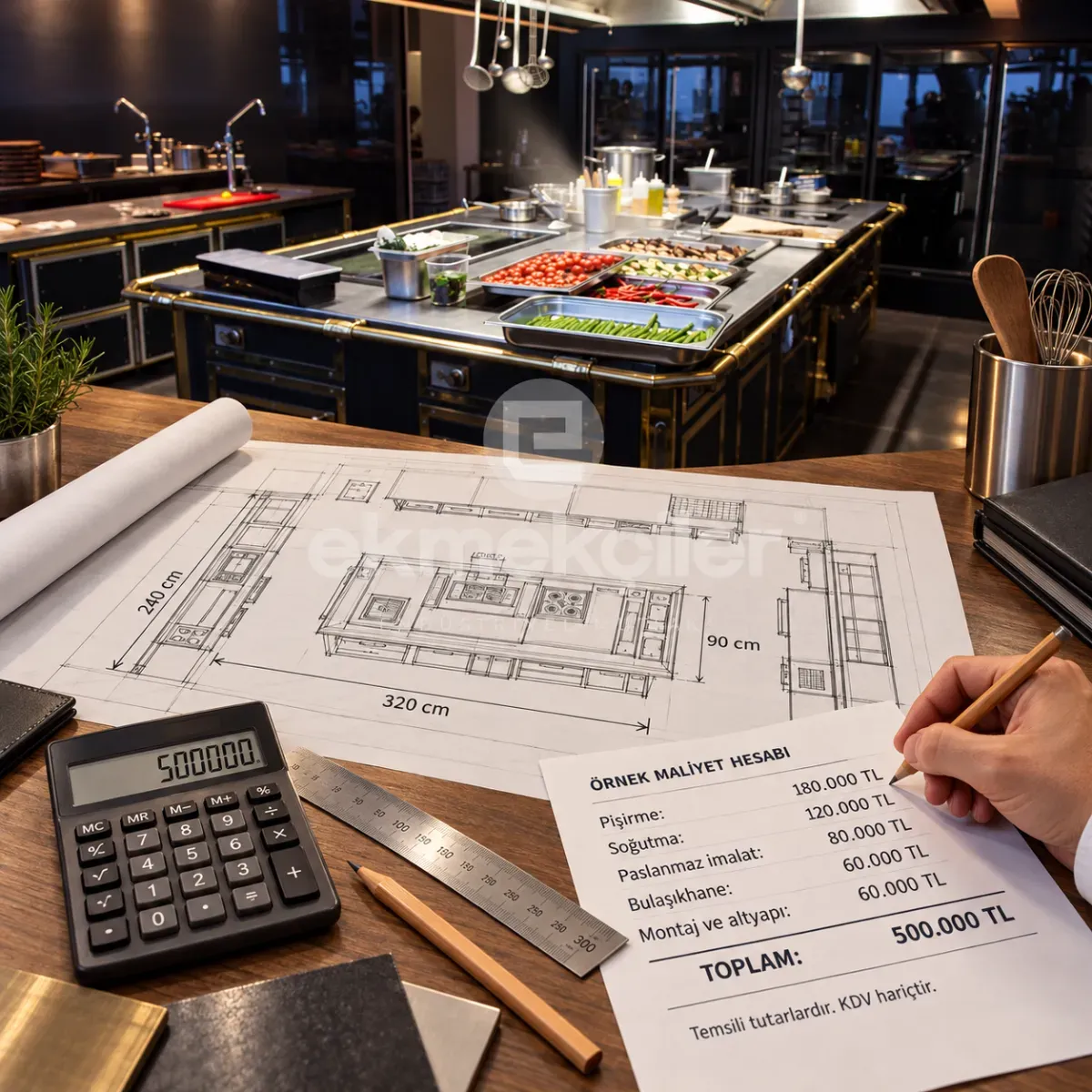
Each quotation should clearly state whether VAT is included. Opening expenses such as rent, dining area decoration, initial food purchases and working capital should be tracked separately from the kitchen installation budget. This makes the scope of your kitchen investment clear.
Key factors that determine commercial kitchen prices
What will you produce, and how much?
A grill restaurant, a pastry shop and a breakfast café need different equipment. Alongside daily customer numbers, peak-hour orders are important when determining cooking and dishwashing capacity.
Technical specifications affect the budget
Equipment capacity, controls, materials and intended use influence the price. When comparing models in the same category, review dimensions, features, warranty terms and service support together.
How ready are the premises?
The condition of electrical, gas, water, drainage and ventilation systems determines the work required. Even premises previously used as a kitchen need to be checked for compatibility with the new equipment.
Standard products or custom dimensions?
The dimensions of work tables, sinks, shelving and service units affect costs. Areas requiring custom fabrication should be identified on the plan, with sufficient space for movement, cleaning and maintenance.
What should a commercial kitchen installation budget include?
When researching prices for commercial kitchen equipment, reviewing the following categories separately makes it easier to compare the scope of different quotations.
Explore commercial kitchen equipment.
| Budget category | Factors affecting the price |
|---|---|
| Cooking equipment | Equipment type, capacity, energy connections and technical features. |
| Refrigeration and storage | Storage volume, food types and requirements for refrigerated cabinets or cold rooms. |
| Preparation and stainless steel fabrication | Work table dimensions, material specifications, sink configurations and shelving. |
| Dishwashing area | Peak-hour washing requirements and supporting equipment. |
| Ventilation and utilities | Cooking line requirements, duct routes and the suitability of existing systems. |
| Delivery and installation | Transport, site access, installation and commissioning scope. |
Explore product examples from four essential categories below to make your budget more concrete. Match cooking capacity to your actual needs: insufficient capacity can slow service, while unused capacity can increase your initial investment and space requirements.
Cooking equipment: product examples
The dishes prepared simultaneously determine cooking line capacity. When comparing gas and electric equipment, assess connected power, dimensions and ventilation requirements together.
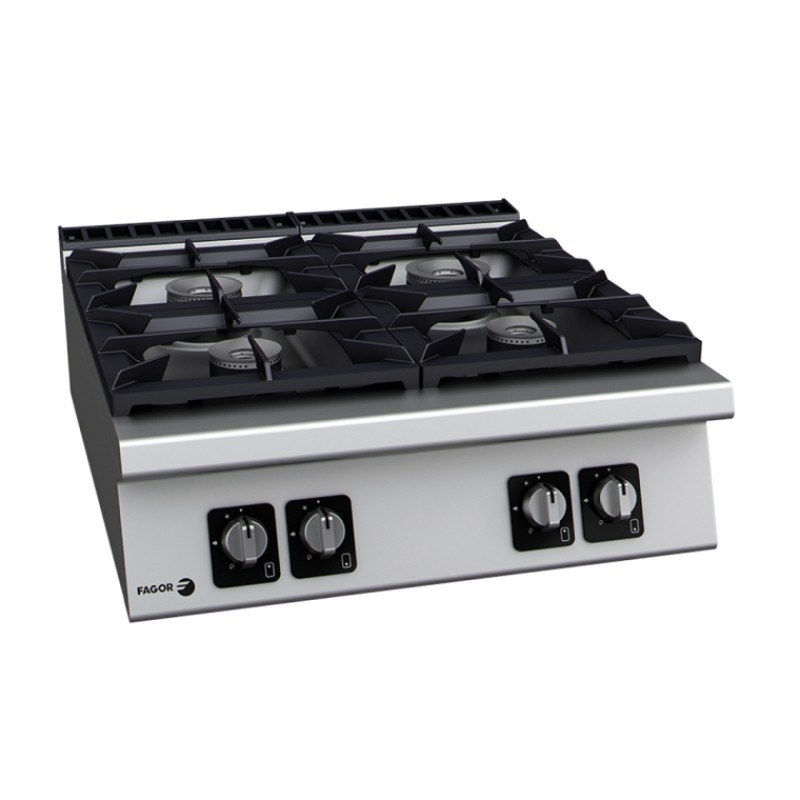
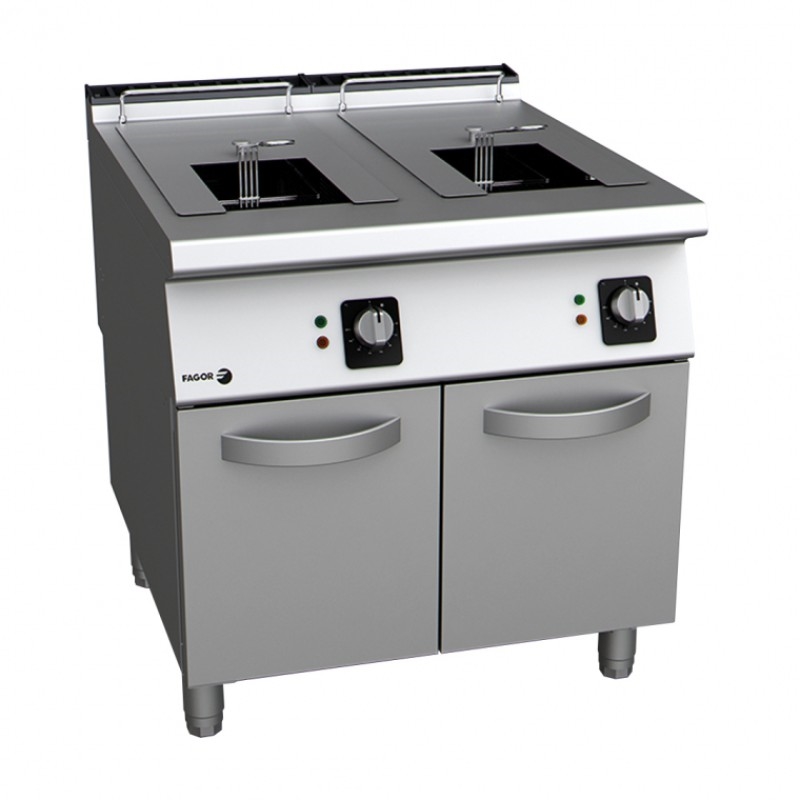
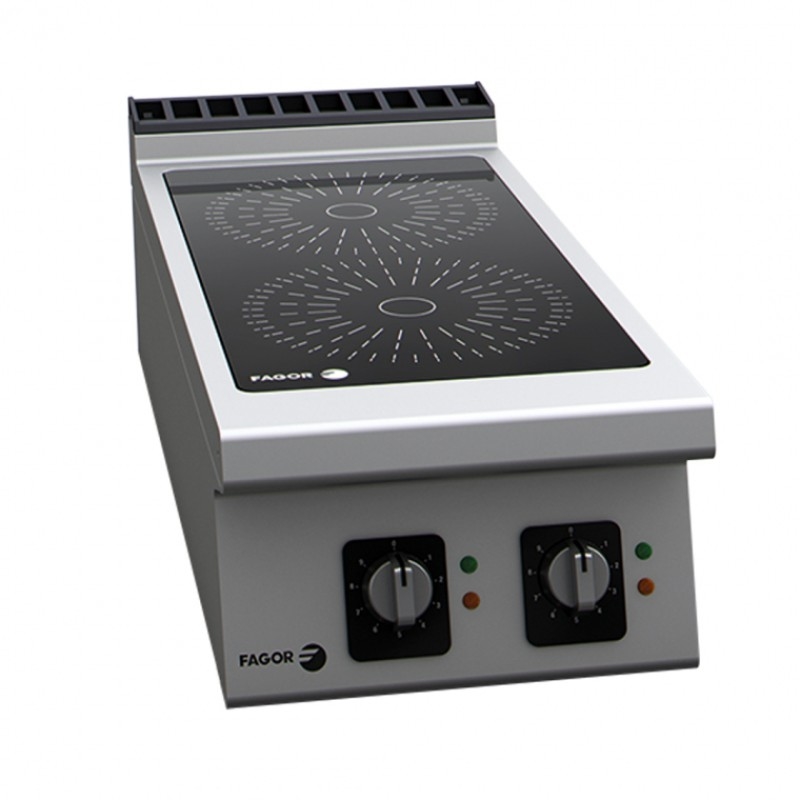
For commercial ovens, also compare tray capacity, cooking methods and production frequency. View commercial ovens.
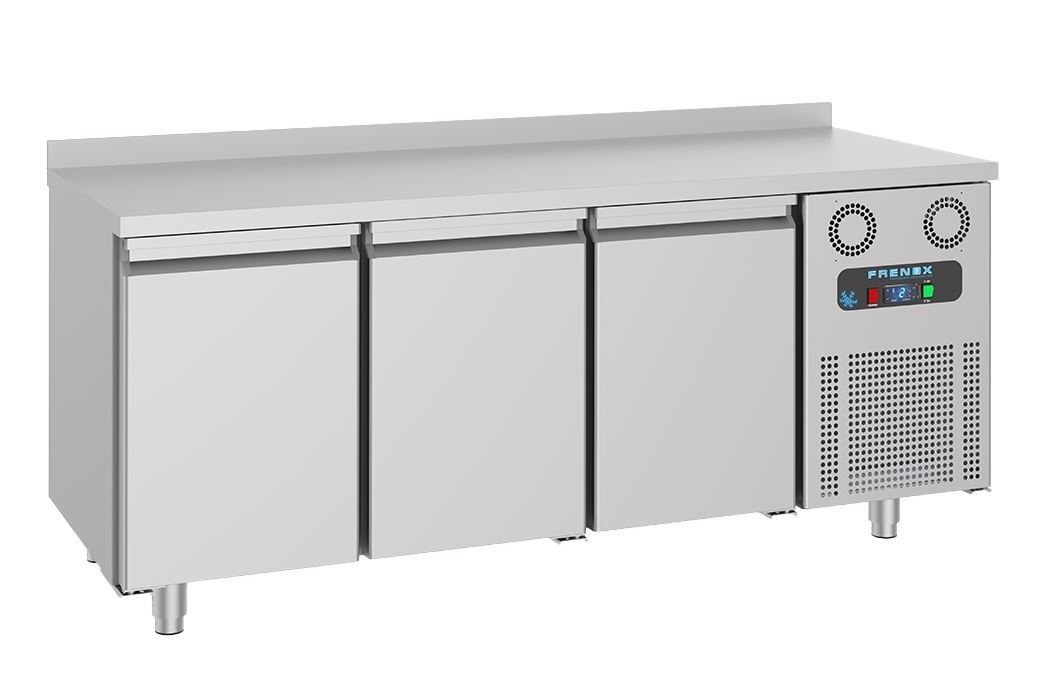
Refrigeration equipment: product examples
Storage arrangements, delivery frequency and food storage conditions determine refrigeration requirements. Assess operating temperatures and placement alongside the number of doors and shelves.
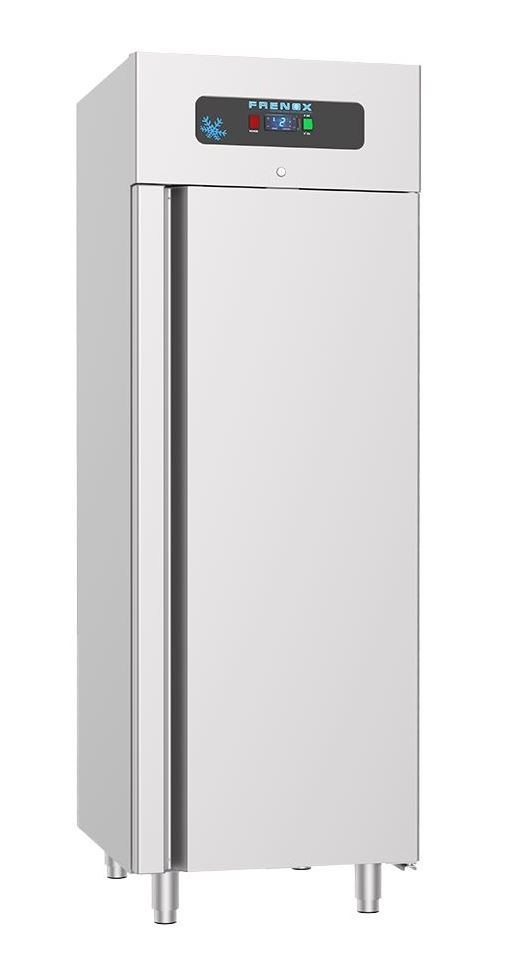
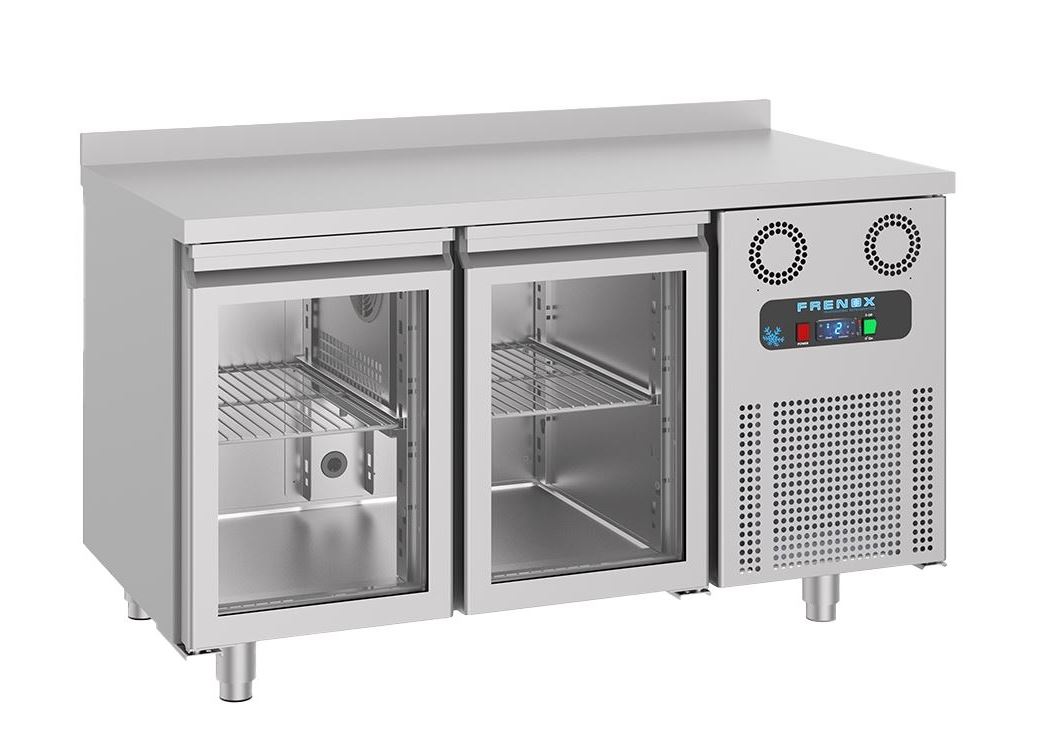
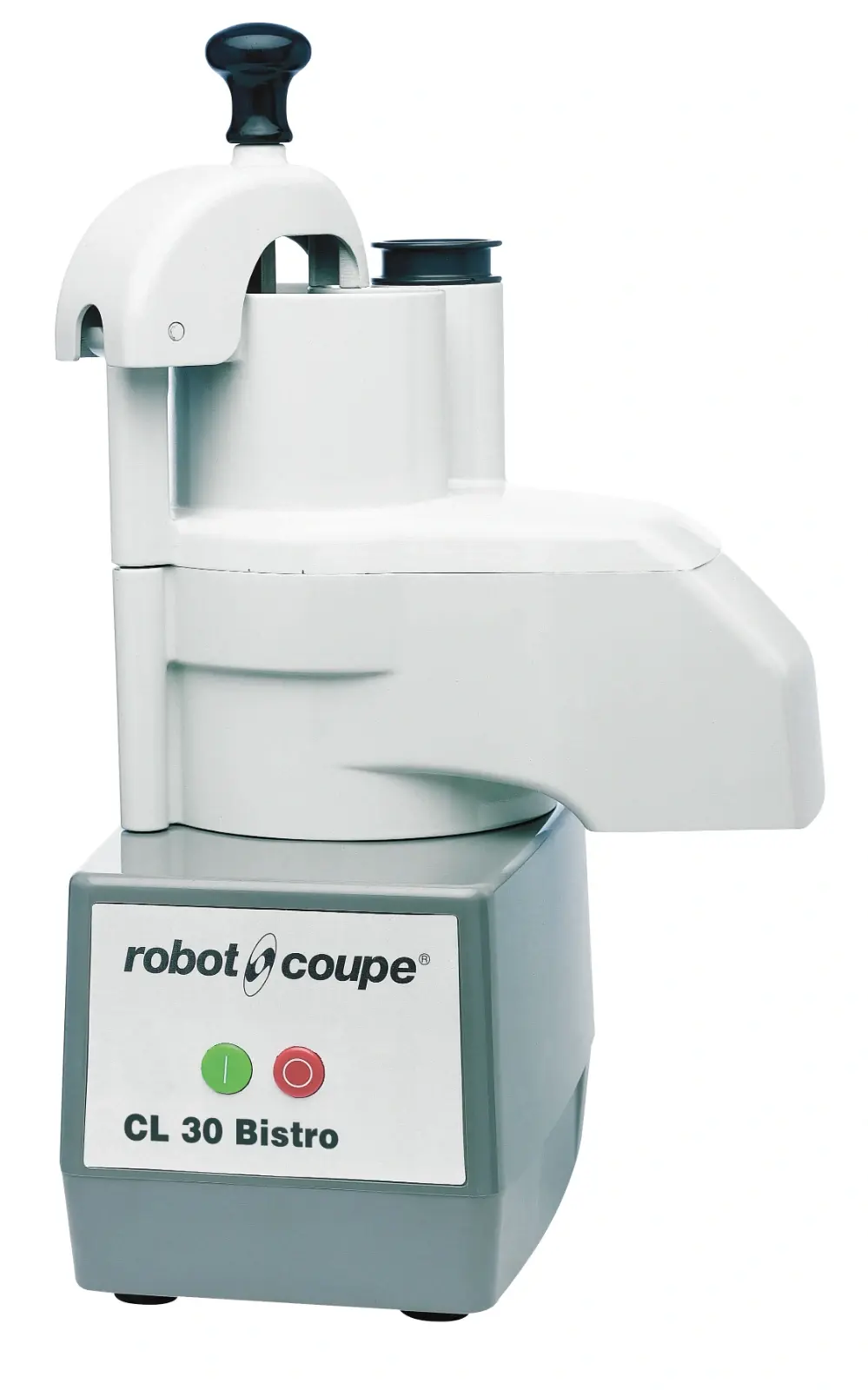
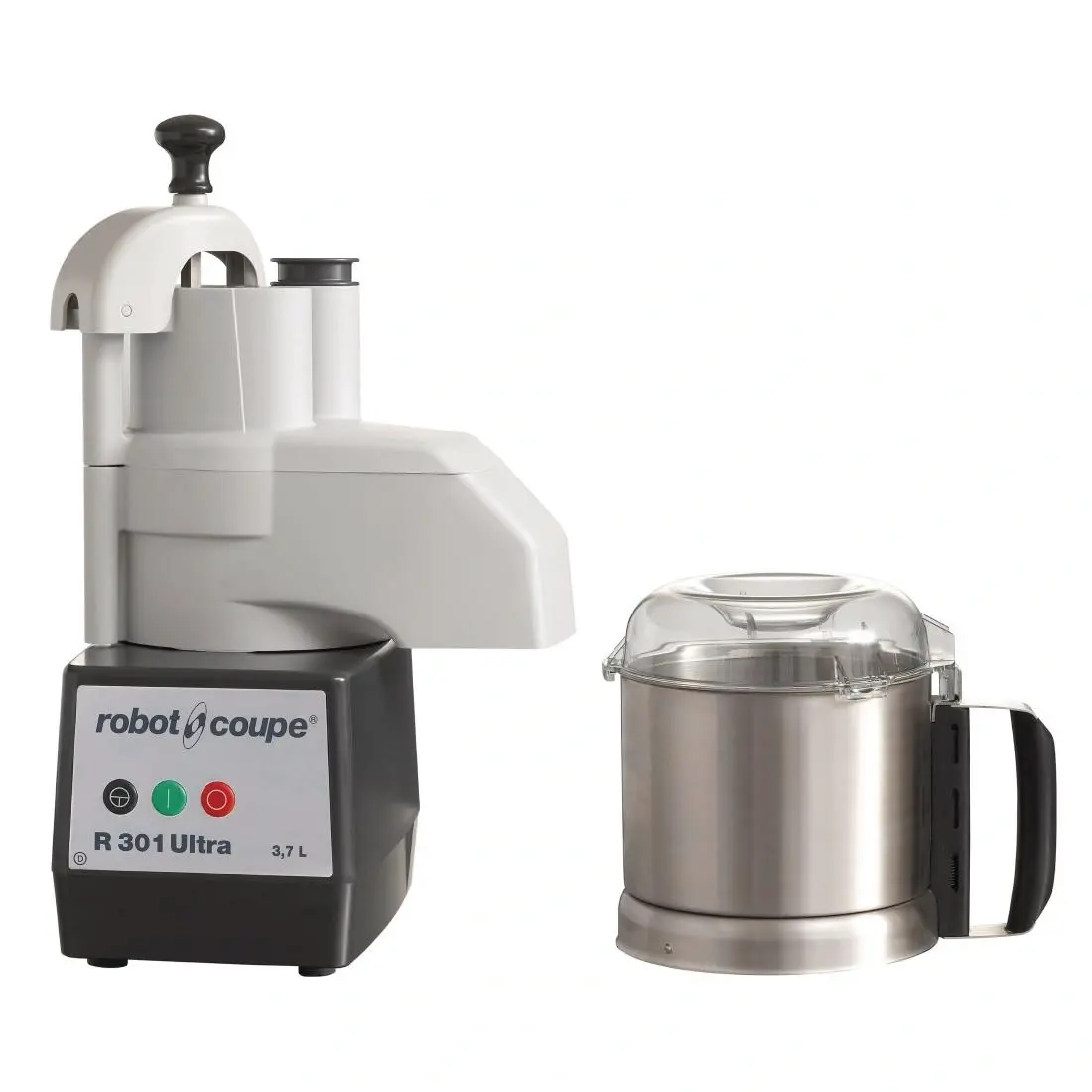
Preparation equipment: product examples
The time allocated to cutting and preparation matters when selecting equipment. Plan countertop space and electrical requirements to support an efficient workflow.

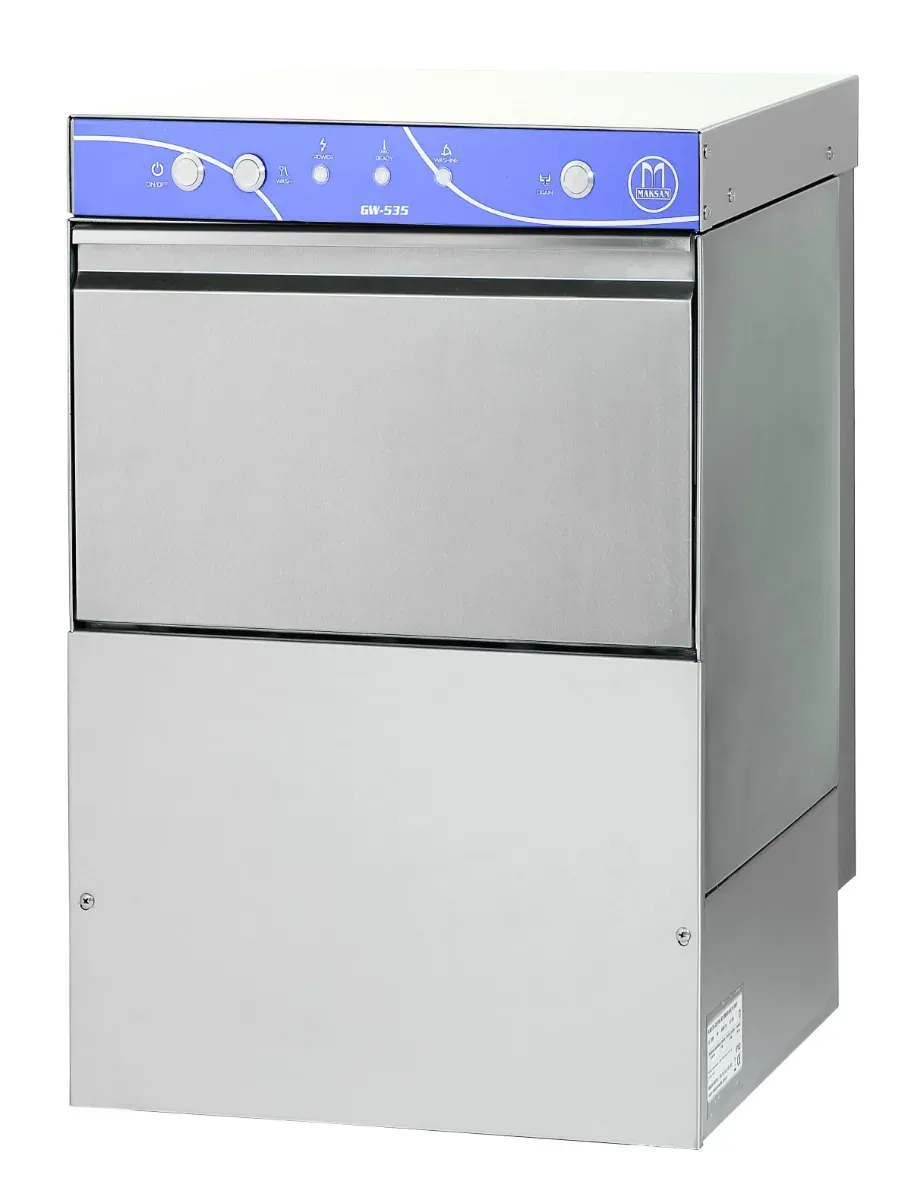
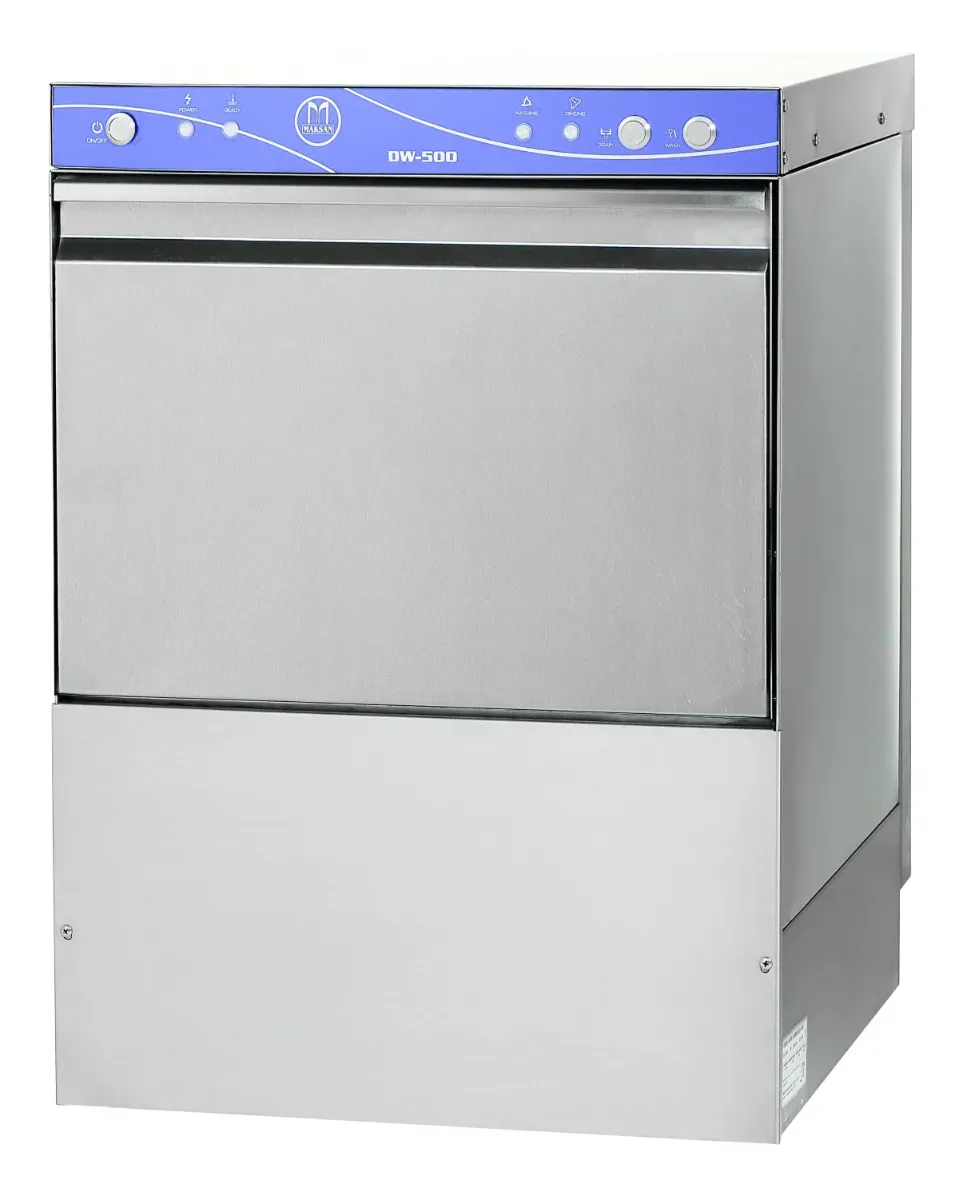
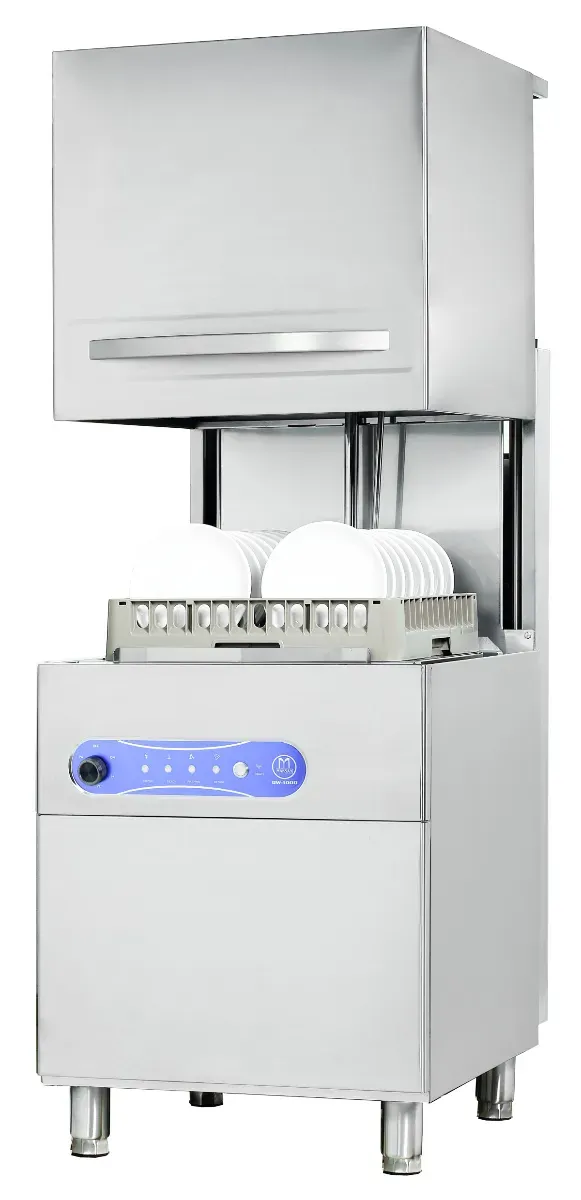
Dishwashing equipment: product examples
Size the dishwashing area for plates and glasses returned during peak service. Basket throughput, electrical connections and clean-to-dirty workflow affect the overall installation plan.
Why do restaurant, café and hotel kitchen installation costs differ?
Café kitchen installation cost may be shaped by beverage preparation, light cooking and refrigerated display requirements. Restaurant kitchen installation cost depends on menu variety, simultaneous orders and dishwashing capacity. Hotel kitchens may need to accommodate breakfast, restaurant and event services within the same overall plan.
Comparing prices by floor area or table numbers alone is therefore insufficient. Two kitchens of the same size can require different budgets because their production requirements differ.
What should you check in a turnkey commercial kitchen quotation?
The work covered by the term “turnkey” should be explained in writing. Ask suppliers to quote against the same equipment list and technical specifications.
- Equipment details: Are brands, models, quantities and capacities specified?
- Delivery and installation: Are transport, installation and commissioning included?
- Utility work: Who handles electrical, gas, water and ventilation work?
- Warranty and service: Are warranty periods, service terms and operating instructions explained?
- Price and payment: Are VAT, payment terms and quotation validity stated?
- Delivery schedule: Are equipment delivery and installation dates confirmed?
Check Your Quotation in 6 Steps
Follow the sequence below when comparing quotations. Request a written explanation for any missing or unclear item.
How can you keep kitchen installation costs under control?
First, separate equipment essential for opening from items that can be purchased later. Have existing appliances assessed to determine whether they can be reused. Finalising the layout before ordering equipment helps reduce subsequent changes to utility connections and fabrication dimensions.
Purchasing decisions should also consider energy and water consumption, cleaning time, maintenance requirements and spare parts availability. Compare consumption figures for equipment with similar capacities under comparable operating conditions.
Frequently asked questions about commercial kitchen installation cost
How much does it cost to install a small commercial kitchen?
A reliable total requires an assessment of the menu, production capacity, equipment list and existing utilities. For current pricing, request a quotation based on site dimensions and technical requirements.
Can used equipment reduce the installation budget?
It can reduce the purchase price. However, equipment condition, maintenance history, connection compatibility and service availability should be checked. Transport, repairs and installation must also be included in the total cost.
Can installation costs be calculated from floor area alone?
Floor area is important for planning the layout, but it does not determine the cost on its own. Production capacity, equipment specifications and required utility work must also be assessed.
What information is needed for an installation quotation?
Your business type, menu, target service capacity, site dimensions, existing utility details and a list of equipment to be reused provide a useful starting point. A dimensioned plan and site photographs can also be shared if available.
Photo Gallery